We’ve had a busy and inspiring holiday period. Thank you to everyone who came along, organised, and fed us! While we had the privilege to choose to fast, our Kol Nidrei appeal raised £800 for hot meals in Gaza.
May the year end and with it, its curses. May the new year begin and with it, its blessings!
At Rosh Hashanah we pulled together a moving participatory service, complete with shofar, and filled the room with some new members joining us for the first time. We learned a Moroccan melody for the pizmon ‘Achot Ketana’: May the year end and with it, its curses. May the new year begin and with it, its blessings.
During Pesach, the tradition is to think of ourselves as victims – but during the Yamim Nora’im our tradition offers the opportunity to consider our capacity to be perpetrators too. Over a shared lunch, we studied the traditional first day Rosh Hashanah reading, parshat Vayera, with midrash from Bereshit Rabbah. The story of Hagar and Ishmael remains difficult to read, as so many continue to turn away from the suffering of Palestinian mothers and their children.
Hagar is the only person in the Torah to give Hashem a name: the G-d who sees. According to Rashi, this means “one who sees the humiliation to which people are subjected by others”. In traditional chavurot, we reflected on the relationship between Sarah, Avraham, and Hagar: who sees, and who chooses not to see? We debated who was really responsible for Hagar’s plight, and when charity is really about making the bystanders feel better.
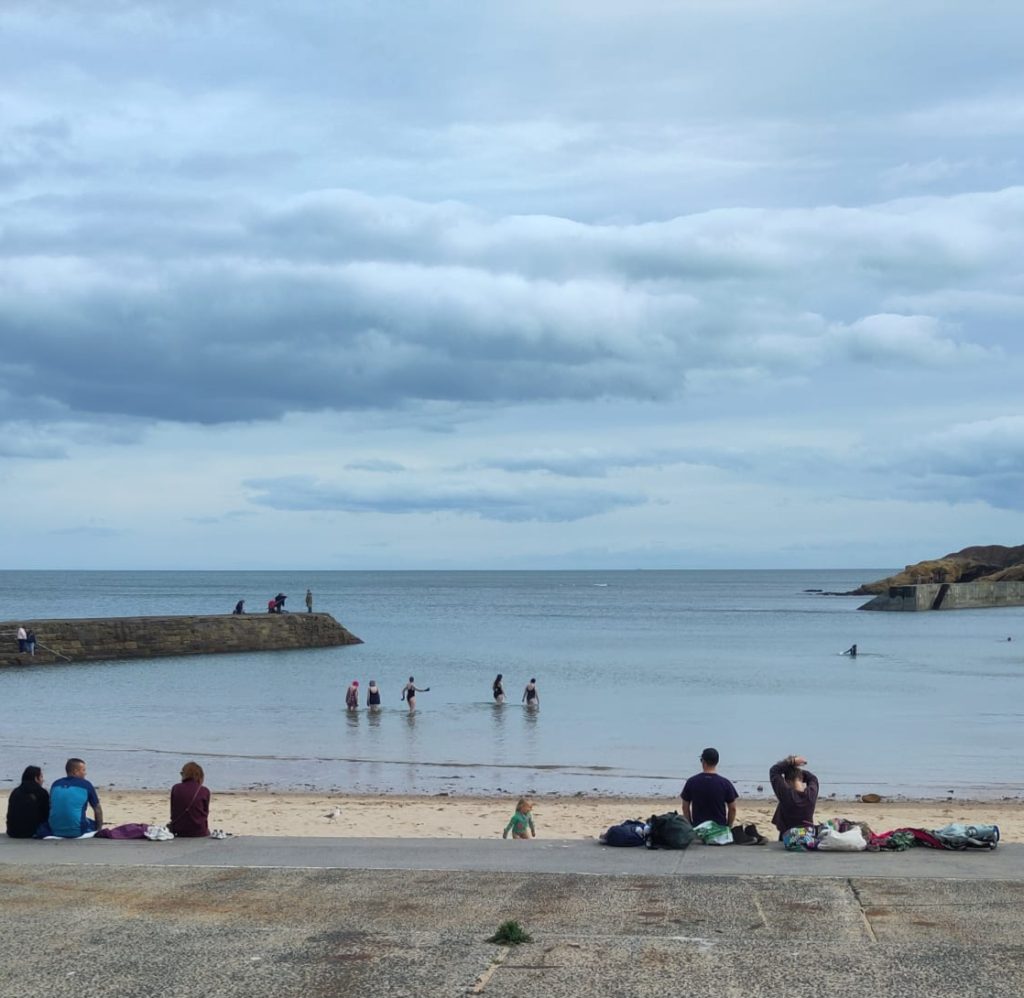
After the service, some of us continued for a slimmed-down tashlikh, a bracing dunk in the North Sea, and some delicious honey cake.
Embarrassment – the most selfish emotion?
On Yom Kippur, we gathered at a nature reserve for a moment of reflection and study.
There is a hasidic story about a student who was travelling to be with the Baal Shem Tov for Yom Kippur and fell asleep in a field on his way. He woke up and realised that the stars had already come out, and so he was forced to observe Yom Kippur alone in the field, as he couldn’t travel on the holiday. His prayers were heartbroken, but after the holiday ended, when he finally met his teacher in the city, the Baal Shem Tov welcomed him with great delight and said: “You should know that your prayer elevated all the prayers of the ‘people of the fields.'” (Keter Shem Tov, ch. 317)
In the style of Reb Nachman, we began with a silent walk around the reserve – perhaps looking for the prayers of the wild grasses and trees. We then sat down to read and discuss the book of Jonah. One of our members reflected:
Later, Jonah was furious at God’s forgiveness of the people of Nineveh. We imagined Jonah saying: ‘I just knew this was going to happen! You sent me to prophesy death and destruction when all the time I knew you were too kind and forgiving to go through with it. Why do you think I never wanted to go in the first place? Just kill me now!’ Jonah’s prophecy had not come to fruition. Did he look incompetent? A loser? How embarrassing.
One of us suggested that embarrassment is the most selfish emotion, because it stops us doing what we know we should do. Sometimes, of course it stops us doing what we know we should not do. How does it prevent us from acting? Why is it such a painful emotion? We aren’t physically harmed by embarrassment, but our reputation could be damaged. We are trained to avoid disapproval from others, and looking into the eyes of someone who is disdainful toward us is extremely uncomfortable.
On reflection, I believe that emotions are just emotions – not right or wrong, moral or immoral. An emotion in itself is not to be condemned. However, we are responsible for our own behaviour, whatever the emotion that drives it. The question that stayed with me was ‘Do I sometimes make wrong choices to avoid embarrassment?’
It’s a challenging thought.
Alternative Cheder
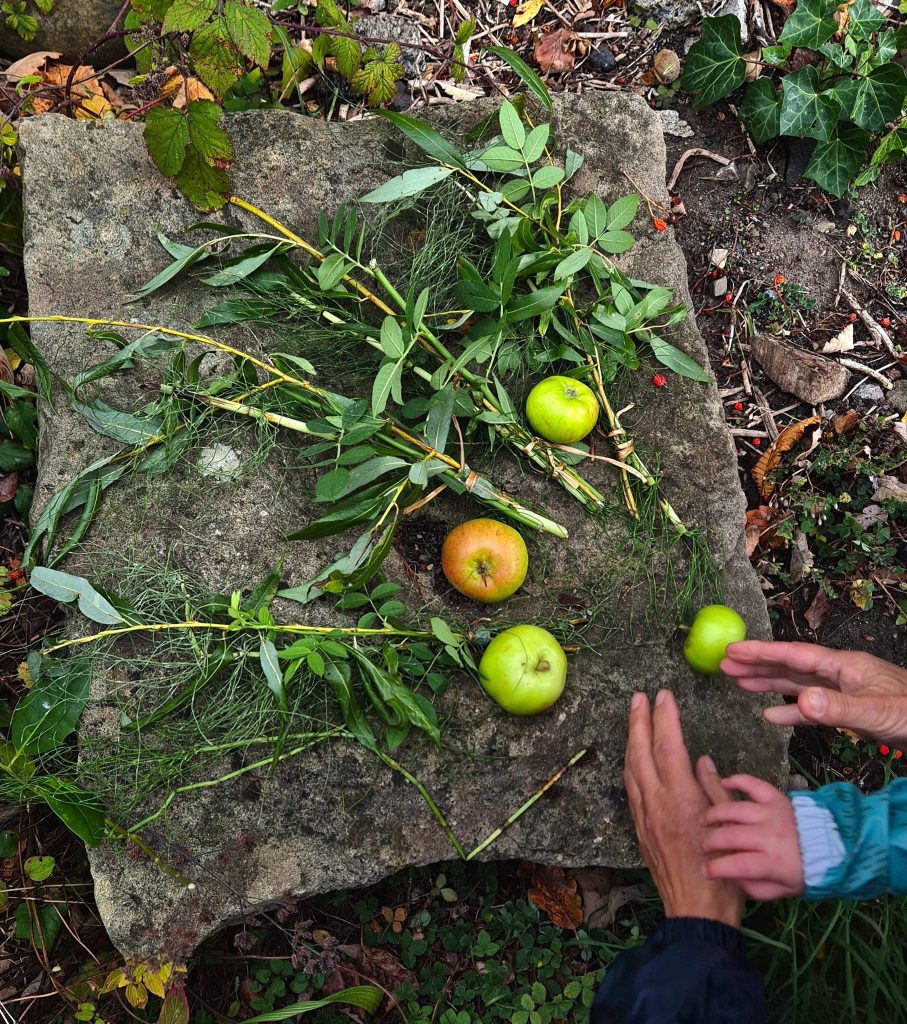
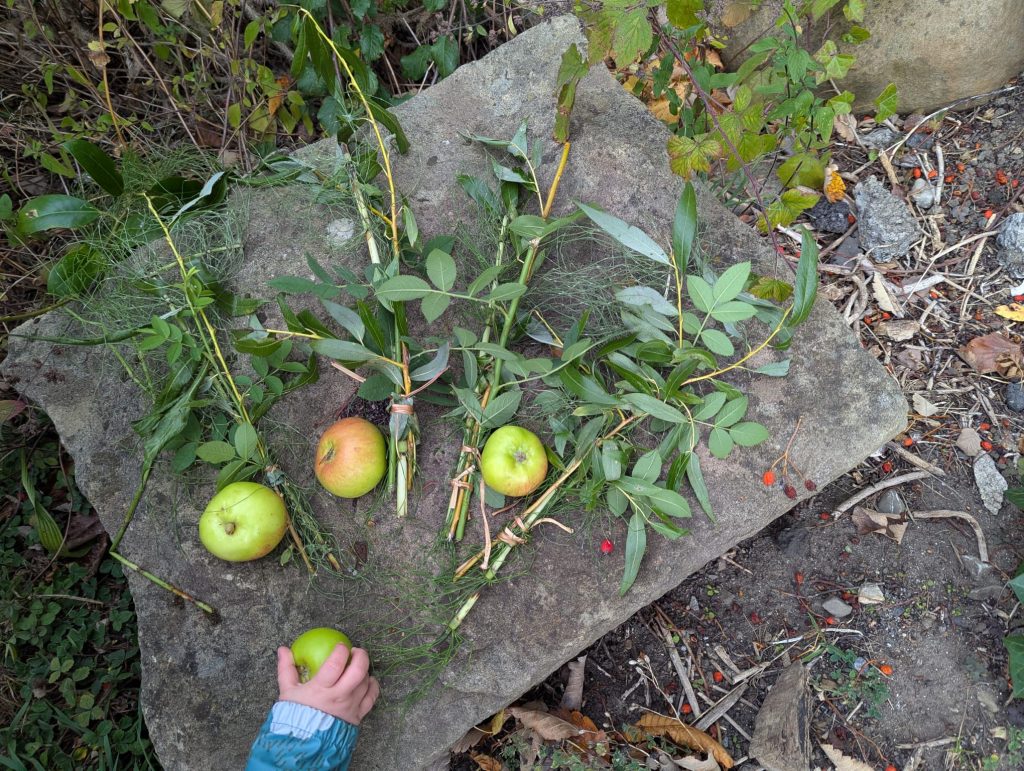
Over Sukkot, the young families in our group met in an orchard to make and shake their own eco-friendly lulavim with native species. We look forward to more family-focused events in the future.
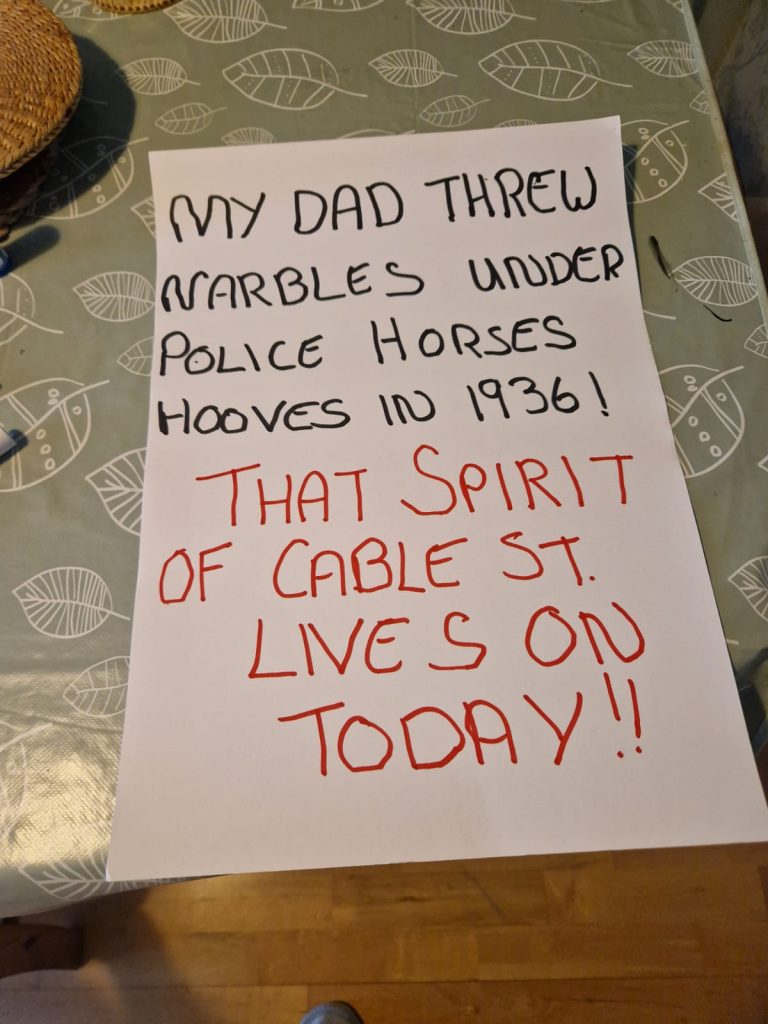
Cable Street Anniversary
Some of our members went to London to march for the 90th anniversary of the Battle of Cable Street, including one whose father was present at the original!
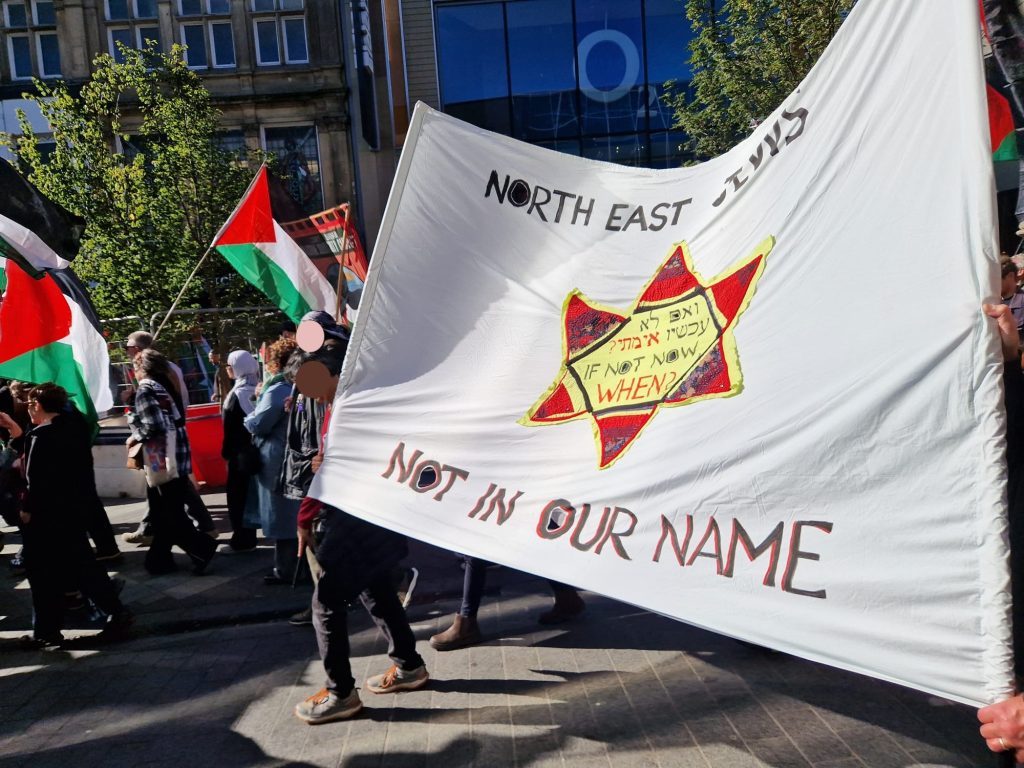
We have also been attending solidarity marches and vigils across the North East, and engaging with local politicians to advocate for our view that Palestinian human rights are not a threat to Jews.
What’s next?
Next month we’ll be launching our online monthly education program, beginning with a talk from an anaesthetist who had been working in Gaza as a doctor.
We’d love to hear from those of you based outside of the North East, so please do give us your details below if you’re interested in attending – or leading a session! We plan to cover a host of topics, both secular and religious. We may be able to share recordings privately with participants who can’t make it.
Leave a Reply